
PROGRAM LEADERSHIP
Magni Hamso, MD, MPH, FACP, FASAM
Program Director
magni.hamso@va.gov
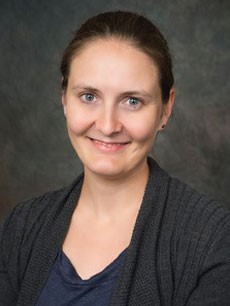
Dr. Hamso is the Program Director for the University of Washington Boise Addiction Medicine Fellowship based at the Boise VA. She is Board-certified in Addiction Medicine and Internal Medicine.
Dr. Hamso moved from New York City to Boise in 2014, after completing medical school and public health school at Columbia University and residency and chief residency at Montefiore Medical Center's Residency Program in Primary Care and Social Internal Medicine. In Boise, she has cared for patients at a federally qualified health center and taught medical students and residents community-oriented primary care. From 2017-2019, she was Associate Program Director for the University of Washington Boise Internal Medicine Residency, and from 2019-2025, served as Idaho Medicaid's Medical Director. Dr. Hamso returned to full-time patient care in 2025, providing primary care and addiction medicine care to veterans at the Boise VA. Dr. Hamso is active in her community, teaching advocacy to medical trainees and serving on multiple boards and committees, including Idaho's Maternal Mortality Review Committee and the Idaho Supreme Court's Treatment Court Coordinating Committee. In her free-time, she enjoys spending time with her kids and being outside in beautiful Idaho, whether mountain biking, backpacking, or skiing.